
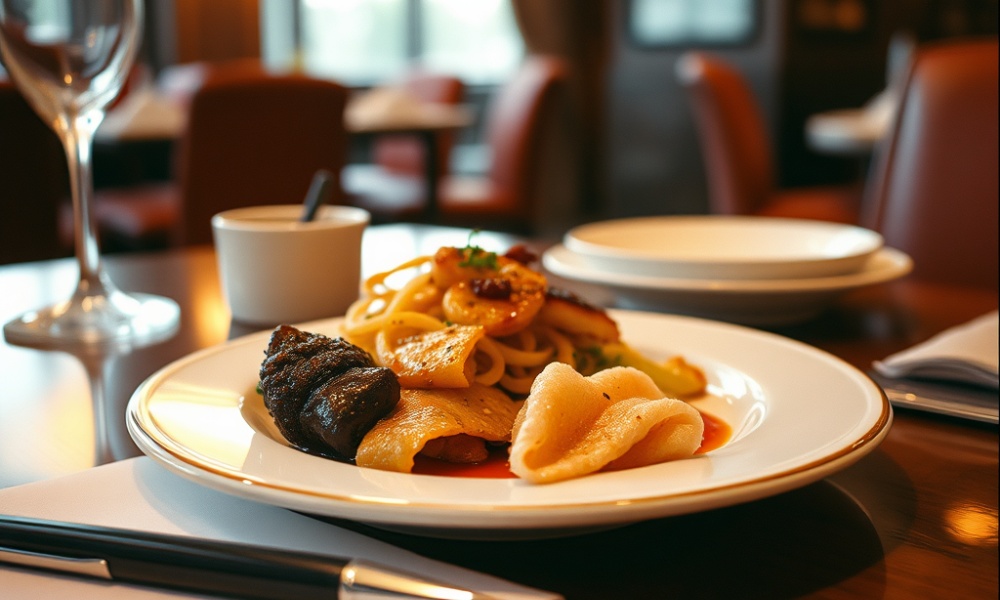
To begin with, a successful restaurant review should set the scene. Start by describing the ambiance and atmosphere of the restaurant. Is it cozy and intimate, or lively and bustling? The decor, lighting, and music all contribute to the overall dining experience. For instance, a dimly lit bistro with soft jazz playing in the background creates a romantic vibe, while a vibrant eatery with bright murals and upbeat music invites a more casual and fun experience. By painting a vivid picture, you help readers envision themselves in the space.
Next, focus on the food. A compelling review should highlight the standout dishes, including their presentation, flavor, and texture. Use descriptive language to evoke the senses—talk about the rich aroma of a slow-cooked stew or the crispiness of a perfectly fried calamari. Don’t hesitate to mention any unique ingredients or cooking techniques that set the restaurant apart. For example, if a dish features locally sourced vegetables or a signature spice blend, these details can make your review more engaging and informative.
Another important aspect to consider is service. The quality of service can significantly impact the dining experience. Were the staff friendly and attentive, or did they seem rushed and indifferent? A brief anecdote about your interaction with the waitstaff can provide valuable insight. For instance, if your server went above and beyond to accommodate a dietary restriction, this reflects positively on the restaurant and enhances the overall experience.

Moreover, it’s essential to provide a balanced perspective. While it’s easy to rave about the highlights, addressing any shortcomings can lend credibility to your review. If a dish was under-seasoned or the wait time was longer than expected, mentioning these points can help readers manage their expectations. However, it’s crucial to frame criticisms constructively, offering suggestions for improvement rather than simply pointing out flaws.
Lastly, conclude your review with a summary of your overall experience. Would you recommend the restaurant to others? Is it worth a return visit? This final takeaway can guide potential diners in making their decisions.
In summary, crafting an engaging restaurant review involves capturing the ambiance, detailing the food and service, and providing a balanced perspective. By sharing your experiences and insights, you not only help fellow diners navigate their culinary journeys but also contribute to the vibrant tapestry of the dining community. So the next time you enjoy a meal out, take a moment to reflect on your experience and consider sharing it with others. Your words could inspire someone’s next great dining adventure.