
One of the most fundamental tips is to always use fresh ingredients. Fresh produce, herbs, and spices can significantly impact the taste of your meals. For instance, a dish made with vibrant, seasonal vegetables will have a depth of flavor that frozen or canned alternatives often lack. When shopping, aim for local markets where you can find the freshest options. This not only enhances your cooking but also supports local farmers and promotes sustainable practices.
Another crucial tip is to embrace the power of preparation. Before you start cooking, gather all your ingredients and tools. This practice, often referred to as “mise en place,” allows you to focus on the cooking process without the distraction of searching for items mid-recipe. It also ensures that you won’t forget any essential components, leading to a more organized and enjoyable cooking experience.
Temperature control is equally important in achieving culinary success. Understanding the difference between high, medium, and low heat can make or break a dish. For example, searing meat requires high heat to develop that beautiful crust, while simmering sauces benefits from low heat to allow flavors to meld without burning. Investing in a good-quality thermometer can help you maintain precise temperatures, ensuring perfect results every time.
Don’t underestimate the role of seasoning in cooking. Salt, pepper, and herbs can transform a dish from bland to extraordinary. Season your food gradually, tasting as you go. This practice not only enhances the flavors but also helps you develop your palate. Experimenting with different spices and herbs can open up a world of flavor possibilities and inspire creativity in your cooking.

Additionally, don’t shy away from mistakes. Cooking is a learning process, and even experienced chefs encounter mishaps. Embrace these moments as opportunities to learn and grow. If a dish doesn’t turn out as expected, analyze what went wrong and make adjustments for next time. This mindset fosters resilience and encourages experimentation in the kitchen.
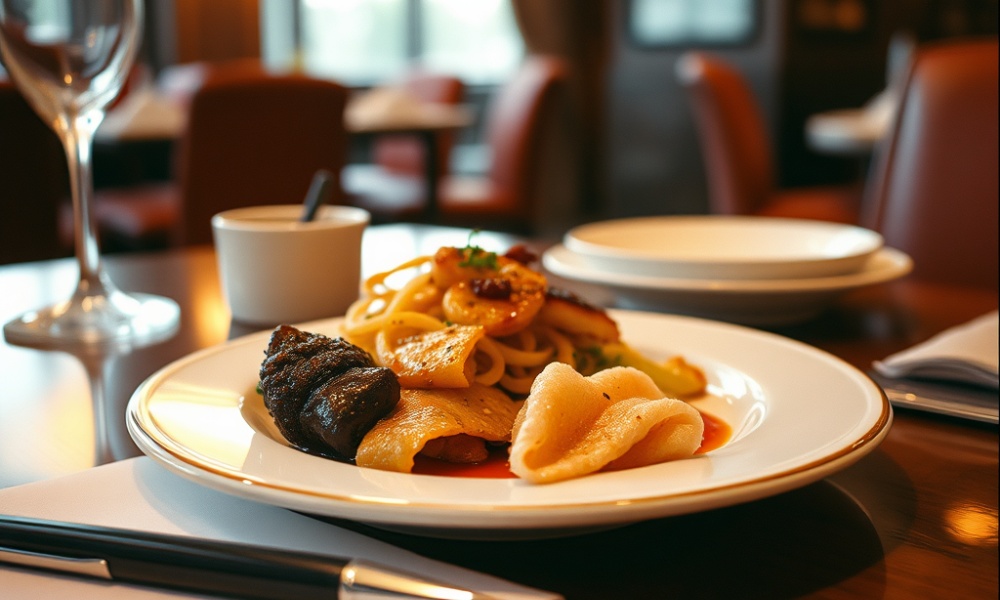
Lastly, presentation matters. A well-plated dish can elevate a simple meal into a dining experience. Use colorful ingredients, garnishes, and thoughtful plating techniques to make your food visually appealing. Remember, we eat with our eyes first, so take the time to arrange your dishes beautifully.
In conclusion, cooking is a rewarding journey that can be enriched by a few essential tips. By focusing on fresh ingredients, preparation, temperature control, seasoning, embracing mistakes, and presentation, you can transform your culinary skills and delight those you cook for. So, roll up your sleeves, get into the kitchen, and let your creativity shine as you embark on your next cooking adventure.