One of the most effective ways to enhance texture in your dishes is through the thoughtful selection of ingredients. Consider using a combination of ingredients that offer contrasting textures. For example, pairing creamy avocado with crunchy radishes can create a delightful balance that excites the palate. Similarly, incorporating nuts or seeds into salads or grain bowls adds a satisfying crunch that complements softer elements. This combination not only enhances the flavor profile but also makes each bite more interesting.
Cooking techniques also play a crucial role in achieving diverse textures. Roasting vegetables can caramelize their natural sugars, resulting in a crispy exterior while maintaining a tender interior. Conversely, steaming can preserve the natural crunch of vegetables, offering a different mouthfeel. Experimenting with techniques such as frying, grilling, or even sous-vide can yield unique textures in proteins, allowing for a variety of dining experiences. For instance, a perfectly seared steak can have a crispy crust while remaining juicy and tender inside.
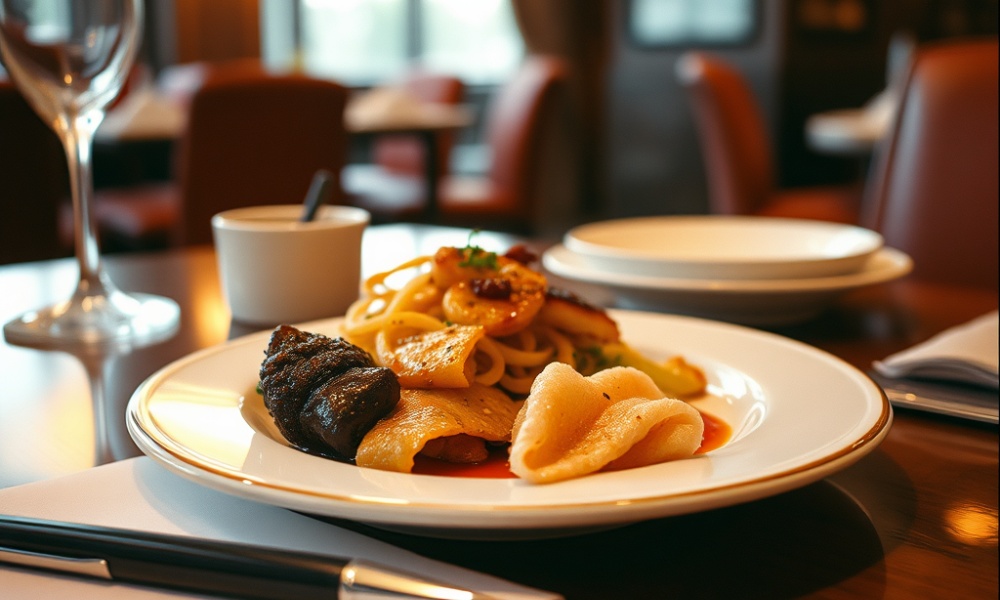
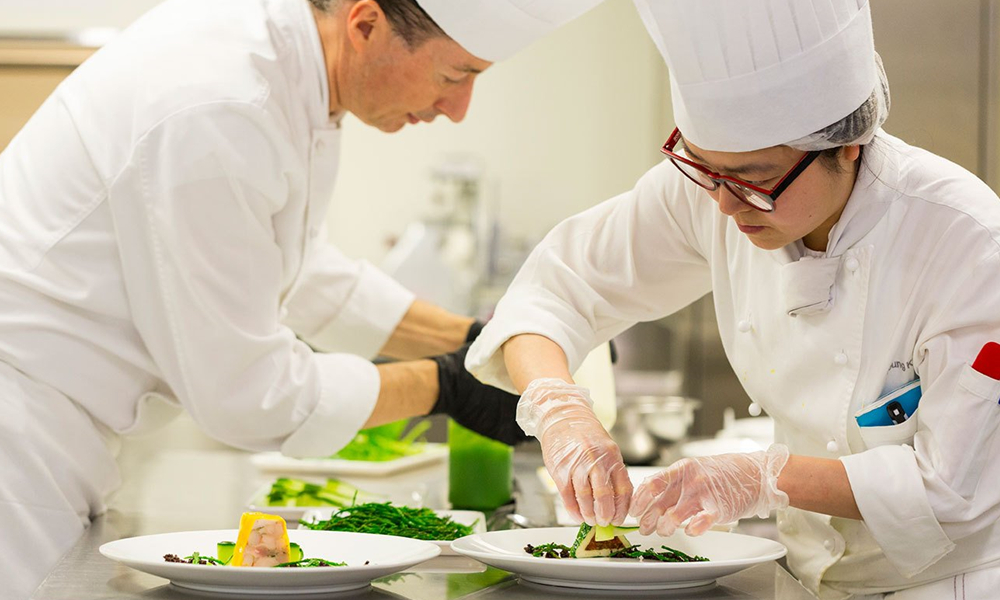
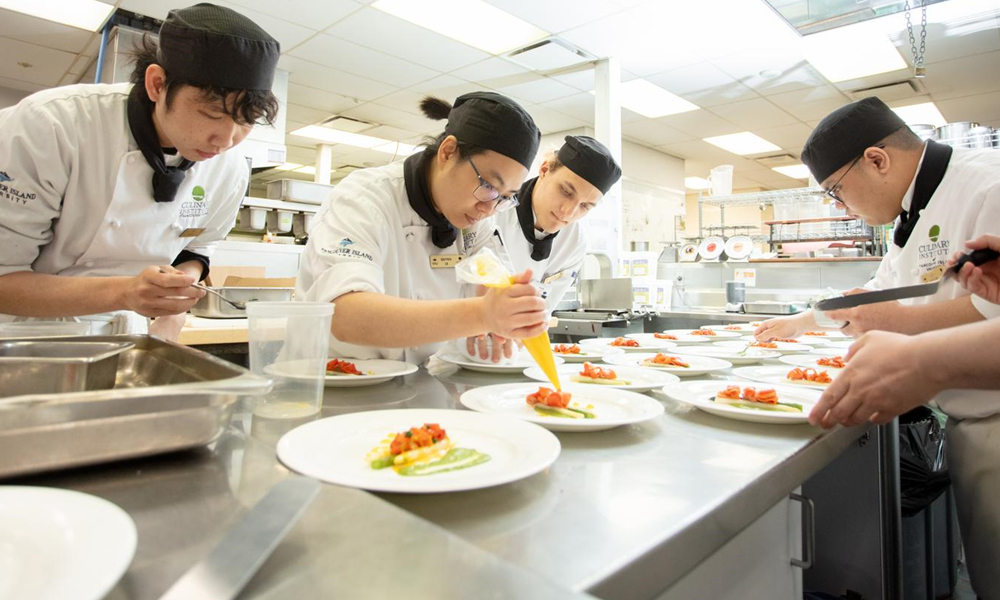
Presentation is another important aspect of texturism. The way a dish is plated can enhance the perception of texture. Using contrasting colors and shapes can draw attention to the different elements on the plate. A dish that features a smooth puree alongside a sprinkle of crunchy toppings can visually communicate the textural variety, enticing diners to explore the flavors. Additionally, serving food in layers can create a dynamic experience, as diners uncover different textures with each bite.
Incorporating seasonal ingredients is a fantastic way to enhance textural variety. Fresh produce often has unique textures that can elevate a dish. For example, ripe summer tomatoes provide juiciness, while winter root vegetables offer a hearty crunch. By focusing on seasonal ingredients, you can create dishes that not only taste great but also celebrate the natural textures of the food. Visiting local farmers’ markets can inspire creativity and help you discover new ingredients to work with.
Lastly, don’t shy away from experimenting with unconventional textures. Incorporating elements like foams, gels, or even powders can add an exciting twist to traditional dishes. These techniques can create unexpected sensations that surprise and delight diners. For example, a dish featuring a savory foam can add a light, airy quality that contrasts with denser components, creating a multi-dimensional experience.
You can transform your cooking into a more engaging and memorable experience. The interplay of different textures can elevate your dishes, making them more appealing and enjoyable. As you explore the world of texturism, let your creativity guide you. The journey of discovering new textures and combinations will not only enhance your culinary skills but also provide delightful experiences for those who share your meals.