
To begin with, understanding the origins of ingredients is fundamental to culinaryism. Knowing where your food comes from can deepen your appreciation for its flavors and textures. For example, sourcing local produce can lead to fresher ingredients that enhance the overall quality of your dishes. Visiting farmers’ markets or establishing relationships with local growers can provide insights into seasonal offerings and unique varieties. This knowledge allows you to select the best ingredients, ensuring that your meals are not only delicious but also reflective of the local terroir.
Next, mastering cooking techniques is essential for anyone interested in culinaryism. Familiarizing yourself with various methods such as sautéing, braising, and poaching can dramatically influence the final outcome of a dish. Each technique brings out different flavors and textures in ingredients, allowing for a wide range of culinary possibilities. For instance, slow-cooking can tenderize tougher cuts of meat, while quick searing can enhance the natural flavors of vegetables. Investing time in learning these techniques will empower you to experiment and innovate in the kitchen.
In addition to techniques, exploring diverse cuisines can significantly broaden your culinary horizons. Each culture has its own unique approaches to cooking, which can inspire creativity and introduce new flavors to your repertoire. Try incorporating spices and herbs from various cuisines into your dishes, as they can transform familiar ingredients into something extraordinary. For example, adding sumac to a salad can provide a tangy brightness, while using garam masala can add warmth and depth to a stew. This exploration not only enhances your cooking but also fosters a greater appreciation for global culinary traditions.

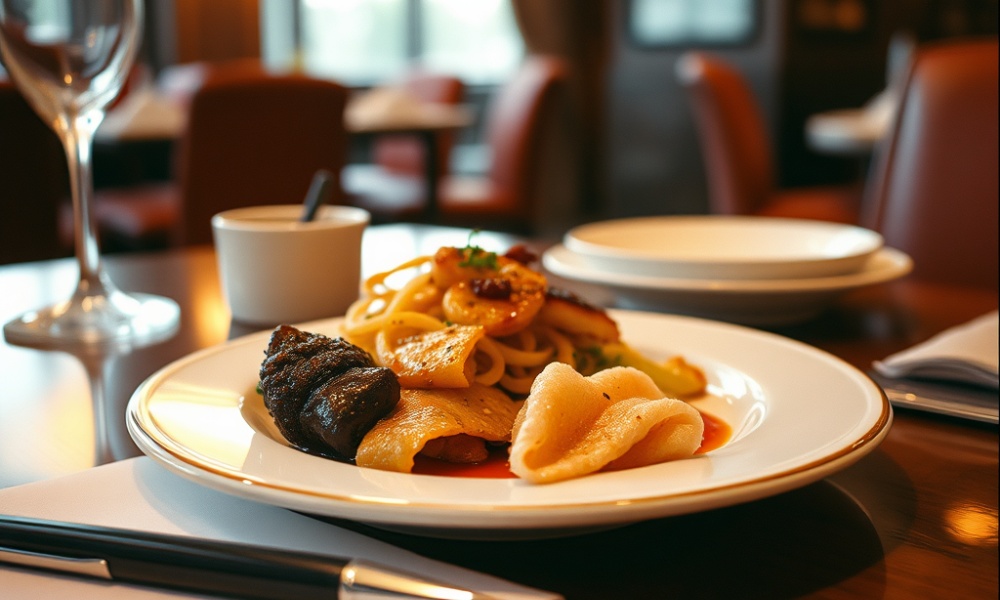
Another key aspect of culinaryism is the importance of presentation. The way a dish is plated can significantly impact the dining experience. A thoughtfully arranged plate can elevate the perception of the meal, making it more visually appealing and inviting. Experiment with different plating techniques, such as layering, drizzling sauces, or using garnishes to add color and texture. A well-presented dish not only pleases the eye but also enhances the anticipation of the flavors to come, creating a more immersive dining experience.
Lastly, embracing creativity and experimentation is vital in the culinary journey. Do not be afraid to step outside your comfort zone and try new combinations of flavors and textures. This willingness to experiment can lead to unexpected and delightful discoveries. Keep a journal of your culinary adventures, noting what works and what doesn’t, as this will help you refine your skills over time. Engaging with fellow food enthusiasts, whether through cooking classes or online communities, can also provide valuable feedback and inspiration.
By immersing yourself in the principles of culinaryism, you can transform your cooking and dining experiences. Understanding ingredients, mastering techniques, exploring diverse cuisines, focusing on presentation, and embracing creativity will enrich your culinary journey. Each meal becomes an opportunity to express your creativity and share your passion for food with others.